 We are hiring PCA’s and HHA’s in all the boroughs.
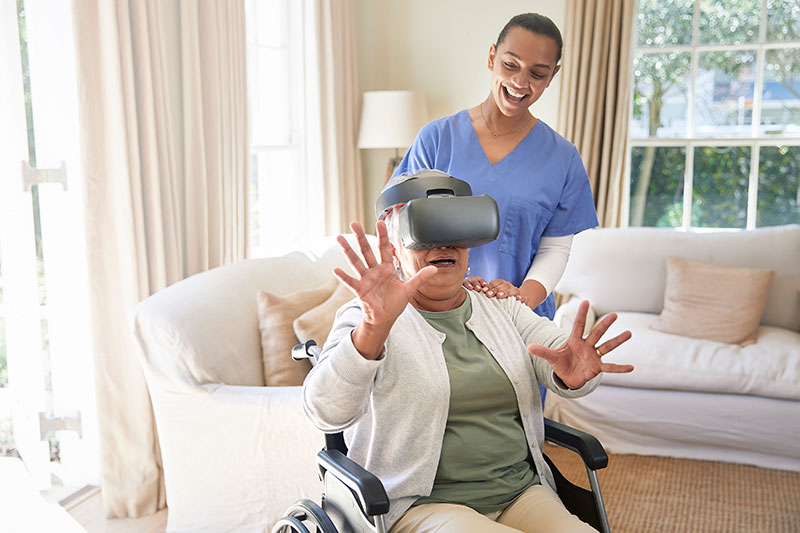
Caregiving is a critical, yet often overlooked, role in society. As the population ages and more people live with chronic illnesses or disabilities, the need for caregivers grows. But what exactly does a caregiver do? This blog explores the diverse responsibilities, skills required, and emotional impact of being a caregiver.
Understanding Caregiving
At its core, caregiving involves providing care to individuals who cannot fully care for themselves due to age, illness, or disability. Caregivers can be family members, friends, or professionals who offer support. Their duties range from assisting with daily tasks to managing complex medical needs. Learn more about the different types of caregiving services from the Family Caregiver Alliance, which provides valuable resources for family caregivers.
Types of Caregivers
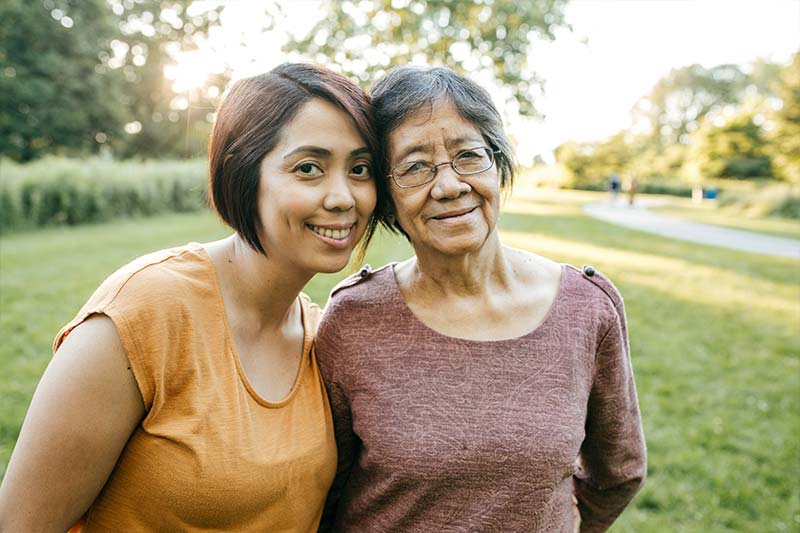
Family Caregivers: Often unpaid, these caregivers provide care out of love and duty to their family members.
Professional Caregivers: Trained and often certified, these individuals work in nursing homes, assisted living facilities, or provide in-home care. You can explore certification options through organizations like The American Caregiver Association.
Respite Caregivers: They offer temporary relief to primary caregivers, preventing burnout and ensuring the caregiver’s well-being.
Responsibilities of a Caregiver
Caregivers’ responsibilities vary based on the needs of the person they care for. Here are some common duties:
1. Personal Care Assistance:
Helping with daily activities like bathing, dressing, grooming, and toileting ensures proper hygiene and maintains the individual’s dignity.
2. Medication Management:
Caregivers ensure medications are taken on time and according to instructions, monitoring for potential side effects or interactions.
3. Meal Preparation:
Preparing nutritious meals that meet dietary restrictions is vital for maintaining health and well-being. The National Institute on Aging offers helpful guidelines for healthy eating as people age.
4. Transportation:
Caregivers often provide transportation to medical appointments, social events, or daily errands, helping individuals stay mobile and connected.
5. Emotional Support:
Providing emotional support is one of the most important roles a caregiver can offer. Listening and being present helps combat loneliness and depression.
Skills Required for Effective Caregiving
Being a successful caregiver requires several key skills:
Communication Skills:
Caregivers must effectively communicate with both the person they care for and healthcare professionals.
Patience and Empathy:
Understanding and patience are essential, as individuals receiving care may be frustrated by their limitations.
Time Management:
Balancing multiple tasks is a daily challenge for caregivers, making strong time management a must.
Problem-Solving Skills:
Unexpected situations arise frequently in caregiving, requiring creative solutions and quick thinking.
The Emotional Impact on Caregivers
While caregiving can be rewarding, it also presents significant emotional challenges:
1. Stress and Burnout:
The responsibilities and emotional strain of caregiving can lead to high stress and physical health issues if not managed.
2. Isolation:
Caregivers may spend less time on social activities, which can lead to feelings of isolation.
3. Guilt:
Caregivers often feel guilty about needing time for themselves or worrying they’re not doing enough.
Support Systems for Caregivers
Recognizing the challenges caregivers face, communities have developed support systems to assist them:
- Support Groups: Connecting with others in similar situations can provide emotional relief and validation.
- Respite Services: Temporary care services give primary caregivers much-needed breaks.
- Educational Resources: Training programs equip caregivers with essential skills and knowledge about specific conditions.
Conclusion
The role of a caregiver is multifaceted, encompassing both physical and emotional support. Caregiving requires a unique blend of skills like communication, time management, and problem-solving. While it can be emotionally challenging, there are numerous resources available to support caregivers. By understanding the caregiver’s role, we can better appreciate the immense value these individuals bring to our communities.
If you’re in need of caregiving services or want to learn more about how we can support you, Request Your Free Consultation today and take the first step toward personalized care solutions.
Request Your Free Consultation
We're here to help! Fill out this form for a completely FREE consultation with a care representative.
 Now Hiring PCA's & HHA's! Click to Apply
 Call Us To Learn More
Monday-Friday: 9AM to 5PM
(718) 627-1122
★★★★★
The Most “Liked” & Highest Reviewed In-Home Care Company in New York.
Our team is here to make your life easier when you need help. That’s why our customers give us high satisfaction ratings.