 We are hiring PCA’s and HHA’s in all the boroughs.
As our loved ones age, understanding their evolving needs becomes crucial for ensuring they receive the best care. In NYC, families face numerous challenges in providing elderly care, from managing chronic health conditions to combating social isolation. This guide will help you navigate the physical, emotional, and cognitive care needs of your aging loved one while offering practical solutions.
Table of contents
- Understanding the Needs of the Elderly
- Physical Needs: Managing Health, Nutrition, and Mobility for Seniors
- Emotional Care: Combating Loneliness and Promoting Mental Health
- Cognitive Needs: Supporting Memory and Preventing Decline
- Practical Solutions for Elderly Care in NYC
- Conclusion
- Request Your Free Consultation
Understanding the Needs of the Elderly
Elderly individuals often face a range of challenges that can affect their overall well-being. These challenges may include chronic health conditions, mobility issues, cognitive decline, and social isolation. Understanding these needs is crucial for providing appropriate care.
Physical Needs: Managing Health, Nutrition, and Mobility for Seniors
One of the primary concerns in elderly care is addressing physical health. Many seniors suffer from chronic illnesses such as diabetes, heart disease, or arthritis. Regular medical check-ups are vital to monitor these conditions and adjust treatments as necessary.
Nutrition
Proper nutrition plays a significant role in maintaining health among seniors. A balanced diet rich in vitamins and minerals can help manage existing health issues and prevent new ones from arising. Families should encourage their elderly loved ones to consume nutrient-dense foods while considering any dietary restrictions they may have.
Mobility Assistance
As our loved ones face mobility challenges, simple acts like walking or dressing can feel overwhelming. With the right support, these daily tasks become more manageable, ensuring a greater sense of independence.
While addressing physical needs is critical, emotional well-being is just as important in ensuring a fulfilling life for seniors.
Emotional Care: Combating Loneliness and Promoting Mental Health
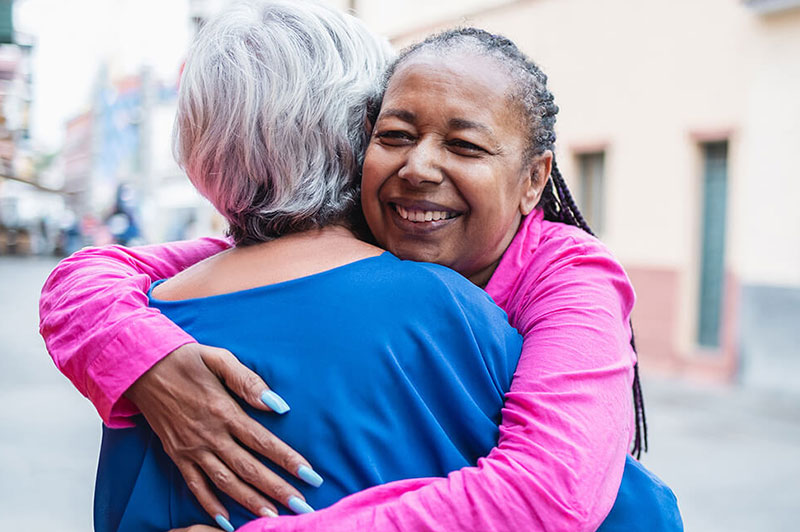
Emotional well-being is just as important as physical health when it comes to elderly care in NYC. Many seniors experience feelings of loneliness or depression due to isolation or loss of loved ones.
Social Interaction
Encouraging social interaction can help combat feelings of loneliness among seniors. Family members should make an effort to visit regularly or arrange social gatherings with friends and neighbors. Additionally, local community centers often offer programs specifically designed for seniors to engage socially.
Mental Health Support
Mental health support is crucial for elderly individuals who may be struggling with depression or anxiety. Professional counseling services can provide valuable support and coping strategies tailored to their unique situations.
Cognitive Needs: Supporting Memory and Preventing Decline
Cognitive decline is another common issue faced by many elderly individuals. Conditions such as Alzheimer’s disease or other forms of dementia require specialized care that focuses on maintaining cognitive function while ensuring safety.
Memory Care Programs
In NYC, there are numerous memory care facilities that offer specialized programs designed to support individuals with cognitive impairments. These programs typically include structured activities aimed at stimulating memory retention while providing a safe environment.
Routine and Structure
Establishing a daily routine can also benefit seniors experiencing cognitive decline by providing familiarity and reducing confusion about time and tasks throughout the day.
Practical Solutions for Elderly Care in NYC
Navigating the complexities of elderly care can be overwhelming for families; however, several practical solutions exist to ease this transition:
Home Care Services
Home care services are an excellent option for families looking to provide personalized support without relocating their loved ones from familiar surroundings. These services typically include personal care assistance (bathing, grooming), meal preparation, medication management, and companionship.
Adult Day Care Centers
Adult day care centers provide a safe environment where seniors can engage in various activities during the day while receiving supervision from trained staff members. This option allows caregivers some respite while ensuring that their loved ones are cared for during working hours or other commitments.
Assisted Living Facilities
For those who require more comprehensive support but still wish to maintain some independence, assisted living facilities might be ideal. These communities offer housing along with access to personal care services tailored to individual needs—making them popular choices among families seeking elderly care in NYC.
Nursing Homes
Nursing homes provide 24-hour medical supervision for individuals requiring extensive medical attention due to severe health issues or disabilities that limit independence significantly. While this option may seem daunting initially due its institutional nature; it often becomes necessary when higher levels of medical intervention become required over time.
Conclusion
Ultimately, ensuring your elderly loved one’s well-being means addressing their physical, emotional, and cognitive needs with empathy and care. Whether it’s through home care services or a nursing home, open communication and informed decisions will enhance their quality of life. If you need guidance on your elderly care journey in NYC, reach out to a professional today to explore the best options.

Request Your Free Consultation
We're here to help! Fill out this form for a completely FREE consultation with a care representative.
 Now Hiring PCA's & HHA's! Click to Apply
 Call Us To Learn More
Monday-Friday: 9AM to 5PM
(718) 627-1122
★★★★★
The Most “Liked” & Highest Reviewed In-Home Care Company in New York.
Our team is here to make your life easier when you need help. That’s why our customers give us high satisfaction ratings.