 We are hiring PCA’s and HHA’s in all the boroughs.
Taking care of a loved one can be one of the most fulfilling roles, but it can also be financially challenging, especially when caregiving duties become full-time. For many families in New York, becoming a paid caregiver through the Consumer Directed Personal Assistance Program (CDPAP) can offer a supportive financial solution. This blog will walk you through how to become a paid caregiver for a family member, what the role entails, and the responsibilities of a health care aide.
What is CDPAP and How Does it Work?
The Consumer Directed Personal Assistance Program (CDPAP) is a Medicaid-funded program in New York that allows individuals to hire their own caregivers, including family members and friends. This program is particularly beneficial for those who want to provide care to a loved one while being compensated for their time and effort.
CDPAP promotes independence by giving patients the freedom to choose their caregivers and empowers them to receive care in the comfort of their home.
Eligibility for CDPAP
To qualify for CDPAP in New York, the individual seeking care must meet the following requirements:
-
Medicaid Coverage: The individual must be a Medicaid recipient.
-
Medical Need: They must have long-term care needs that are medically necessary, such as assistance with daily activities like bathing, dressing, and eating.
-
Assessment: A medical professional must assess the individual’s health status and confirm the need for personal care services.
If your family member meets these criteria, they are eligible to hire you (or another family member or friend) to act as their caregiver under CDPAP.
Steps to Become a Paid Caregiver in New York
If you’re considering becoming a paid caregiver for a family member, follow these essential steps:
-
Determine Eligibility: Ensure both the caregiver and the recipient meet the Medicaid and medical requirements for CDPAP. Your family member needs to be Medicaid-eligible and have a documented medical need for care.
-
Choose a Managed Care Plan: To enroll in CDPAP, you must choose a Medicaid Managed Care Organization (MCO) that offers CDPAP. These organizations help guide you through the application process and manage the program. It’s crucial to research and select a plan that suits both your needs and your family member’s.
-
Complete Necessary Training: While CDPAP does not require formal training for caregivers, completing relevant personal care training can be beneficial. Many Managed Care Organizations offer free or low-cost training to help you gain essential caregiving skills.
-
Submit Your Application: Apply through the chosen Managed Care Organization. You will need to provide necessary personal information, medical assessments, and proof of Medicaid eligibility.
-
Get Medical Authorization: A physician must complete a medical assessment confirming the need for personal care assistance. The assessment ensures that the care your family member requires is covered under CDPAP.
-
Caregiver Agreement: After approval, you and the individual receiving care will sign a caregiver agreement. This agreement outlines the terms of employment, including the duties, hours, and compensation. It’s essential to clearly define roles and responsibilities to avoid confusion down the line.
-
Receive Compensation: Once everything is in place, you will begin receiving payment for the caregiving services you provide. Payments typically come through Medicaid, so it’s important to keep all documentation in order to avoid any issues with compensation.
Benefits of Becoming a Paid Caregiver
There are several advantages to becoming a paid caregiver for a family member under CDPAP:
-
Financial Support: You will receive compensation for your time, which can help ease the financial strain of caregiving.
-
Flexibility: You can set a schedule that works for both you and your family member, ensuring care is available when it’s needed most.
-
Emotional Fulfillment: Caring for a loved one allows you to strengthen your bond and provide them with the personal care and attention they need.
-
Empowerment: By becoming a paid caregiver, you gain a deeper understanding of the healthcare system and can advocate for your loved one’s needs more effectively.
Key Responsibilities of a Health Care Aide
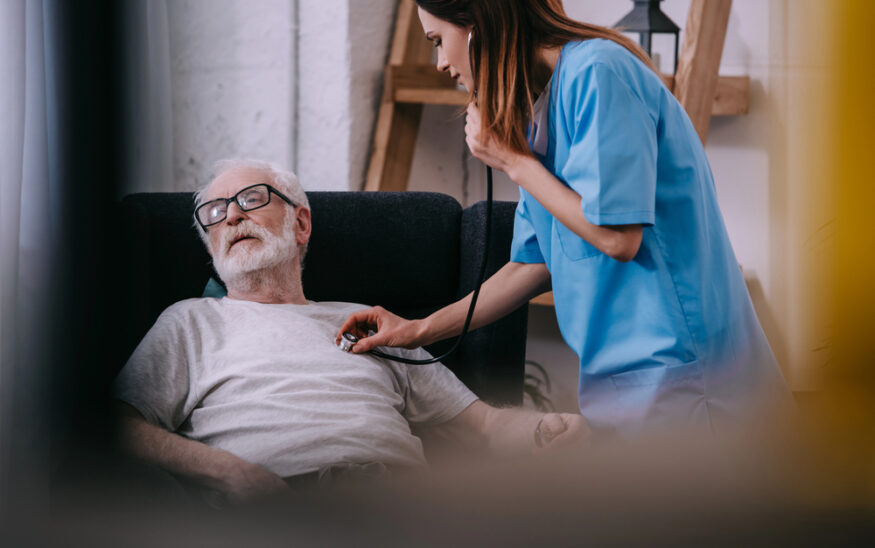
Being a paid caregiver comes with significant responsibilities, and understanding the core duties is essential for providing high-quality care. Here are some of the most important tasks that health care aides undertake in their roles:
-
Personal Care Assistance: One of the main responsibilities of health care aides is helping clients with daily activities such as bathing, dressing, grooming, and toileting. These tasks ensure the patient maintains hygiene and dignity, which is crucial for their well-being.
-
Medication Management: Health care aides may help patients take their medications as prescribed, remind them to take their medicine on time, or even administer medications. Proper medication management prevents complications and ensures adherence to the treatment plan.
-
Meal Preparation and Nutrition: Ensuring clients receive balanced meals that meet their dietary needs is a key responsibility. Health care aides may also assist with feeding if the patient has trouble eating independently.
-
Monitoring Health Status: Aides track their client’s health conditions, looking for changes that may require medical attention. This includes monitoring weight, mobility, and overall health, which is reported to healthcare professionals as necessary.
-
Emotional Support and Companionship: Many individuals in need of care face feelings of isolation, so providing emotional support is vital. Health care aides often become trusted companions for their clients, offering a sense of connection and emotional stability.
Potential Challenges of Being a Paid Caregiver
While being a paid caregiver offers many benefits, there are also challenges:
-
Work-Life Balance: Balancing personal life with caregiving duties can be tough. Caregivers often need to make personal sacrifices to ensure their loved one’s needs are met.
-
Emotional Strain: Watching a loved one face medical challenges can be emotionally difficult, especially if they have complex or chronic health conditions.
-
Physical Demands: Some caregiving tasks can be physically demanding, especially if the patient has mobility issues or requires assistance with lifting.
Final Thoughts
Becoming a paid caregiver for a family member in New York through the CDPAP program is a great way to ensure that your loved one receives the care they need while providing financial support for your efforts. By understanding the eligibility requirements, completing the application process, and knowing the responsibilities involved, you can effectively step into this role and provide meaningful assistance to your family.
At Special Touch Home Care, we are committed to helping you navigate the caregiver process. Whether you’re seeking more information on how to get started, need guidance on the application process, or just want to talk about your options, we’re here for you. Contact us today at (718) 747-9673 for a free consultation and start your caregiving journey with the support you deserve.

Request Your Free Consultation
We’re here to help! Fill out this form for a completely FREE consultation with a care representative.
 Now Hiring PCA’s & HHA’s! Click to Apply
 Call Us To Learn More
Monday-Friday: 9AM to 5PM
(718) 627-1122
★★★★★
The Most “Liked” & Highest Reviewed In-Home Care Company in New York.
Our team is here to make your life easier when you need help. That’s why our customers give us high satisfaction ratings.