 We are hiring PCA’s and HHA’s in all the boroughs.
Home health aides (HHAs) play a critical role in ensuring the well-being of individuals who require assistance with daily living. Their work not only enhances the quality of life for patients but also provides peace of mind to families. If you’re considering a career in home health care or are seeking these services for a loved one, understanding the core responsibilities of a home health aide is essential.
What is a Home Health Aide?
Home health aides are trained caregivers who provide essential support to individuals facing challenges due to age, illness, disability, or recovery from medical procedures. Their primary goal is to help clients maintain independence and dignity while receiving care in the comfort of their homes.
Key Responsibilities of a Home Health Aide
1. Direct Personal Care
One of the primary responsibilities of a home health aide involves assisting clients with essential daily activities, including:
- Bathing and Grooming: Ensuring proper hygiene by assisting with bathing, dressing, and personal grooming.
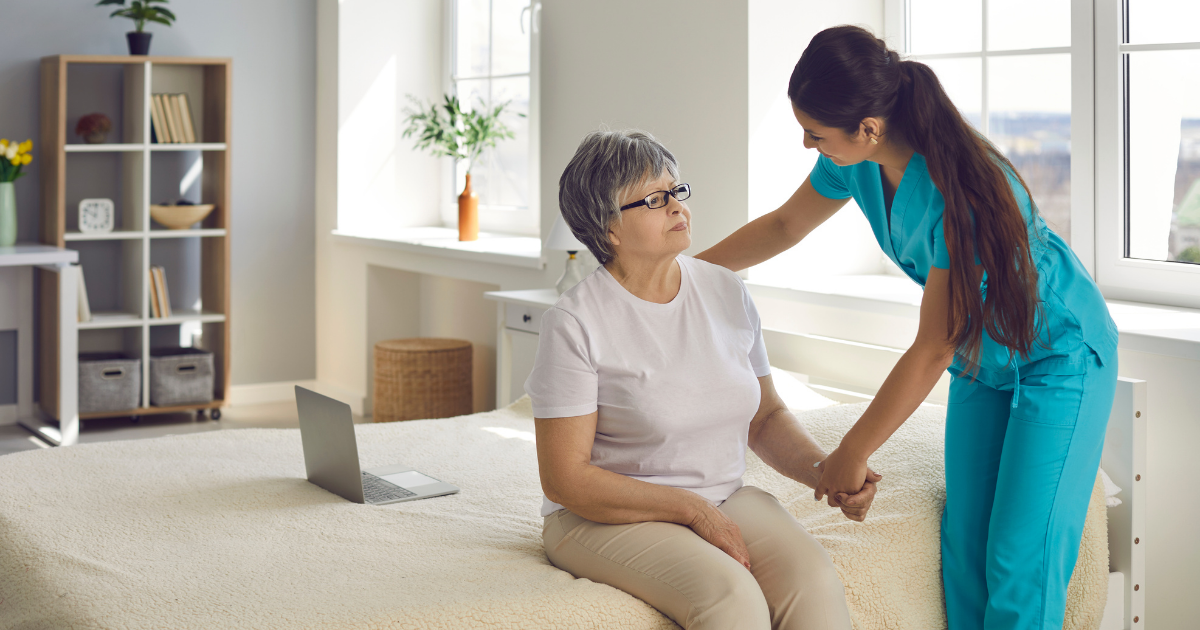
- Mobility Support: Helping clients move safely, whether transferring from bed to a chair, walking, or using mobility aids.
- Toileting and Incontinence Care: Providing compassionate assistance with toileting needs.
By handling these essential tasks, home health aides help clients maintain their dignity and overall well-being.
2. Medication Reminders and Health Monitoring
While HHAs do not administer medications, they play a key role in ensuring adherence to prescribed regimens. Responsibilities include:
- Medication Reminders: Helping clients stay on track with their prescribed medications.
- Vital Signs Monitoring: Measuring and recording blood pressure, temperature, pulse, and respiration.
- Reporting Changes in Condition: Observing and promptly informing healthcare providers or family members of any significant health changes.
These duties help prevent complications and ensure that patients receive timely medical attention when needed.
3. Nutrition and Meal Preparation
Proper nutrition is essential for maintaining health, and HHAs help by:
- Planning and Preparing Meals: Creating nutritious meals tailored to dietary needs and personal preferences.
- Encouraging Healthy Eating Habits: Ensuring that clients eat adequately and stay hydrated.
- Providing a Comfortable Mealtime Experience: Making mealtime enjoyable and engaging to improve overall nutrition.
4. Light Housekeeping and Household Assistance
Home health aides assist in maintaining a safe and clean living environment by performing tasks such as:
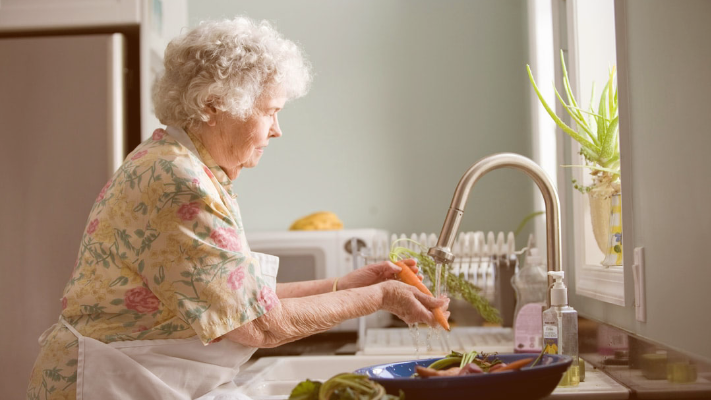
- Laundry and Dishwashing: Helping with routine household chores to ensure cleanliness.
- Tidying and Organizing: Keeping the living space safe and free from hazards.
- Running Errands: Assisting with grocery shopping and other essential errands as needed.
These tasks ensure that clients live in a safe, comfortable, and hygienic environment.
5. Emotional Support and Companionship
Beyond physical care, home health aides often serve as emotional anchors for their clients. They provide:
- Engaging Conversation: Offering companionship and reducing feelings of isolation.
- Participating in Activities: Helping clients enjoy hobbies, watch television, or engage in light exercise.
- Providing Comfort and Encouragement: Supporting clients emotionally through challenging times.
By offering companionship, HHAs help improve the emotional and psychological health of their clients.
6. Communication with Families and Healthcare Providers
Home health aides play a vital role in maintaining open lines of communication between clients, families, and medical professionals. They are responsible for:
- Reporting Health Concerns: Notifying healthcare providers about any changes in the client’s condition.
- Maintaining Accurate Records: Documenting daily activities and observations for medical reference.
- Facilitating Coordination of Care: Ensuring seamless communication between different care providers.
7. Assistance with Mobility and Exercise
Many clients require assistance with movement, and HHAs provide:
- Safe Transfers and Positioning: Helping clients move from one place to another safely.
- Encouraging Physical Activity: Assisting with light exercises to maintain mobility and strength.
- Preventing Falls and Injuries: Ensuring clients move safely to reduce the risk of accidents.
Is HHA Right for you?
The responsibilities of a home health aide encompass a broad spectrum of activities designed to promote client health and well-being. From providing direct personal care to emotional support, medication reminders, and communication with healthcare providers, HHAs are integral to the healthcare system.
Understanding the duties of a home health aide is essential for both professionals in the field and families seeking care for loved ones. This compassionate position not only provides necessary support but also enriches the lives of patients, making the work profoundly meaningful.
If you’re looking for compassionate and skilled home health care professionals, Special Touch Home Care is here to help. Our experienced team is committed to delivering exceptional care that prioritizes the well-being and independence of every client. Contact us today to learn more about our services and how we can support your loved ones.
Request Your Free Consultation
We're here to help! Fill out this form for a completely FREE consultation with a care representative.
 Now Hiring PCA's & HHA's! Click to Apply
 Call Us To Learn More
Monday-Friday: 9AM to 5PM
(718) 627-1122
★★★★★
The Most “Liked” & Highest Reviewed In-Home Care Company in New York.
Our team is here to make your life easier when you need help. That’s why our customers give us high satisfaction ratings.